Walk-In Cooler Not Cooling? 7 Checks to Run Before You Call for Service
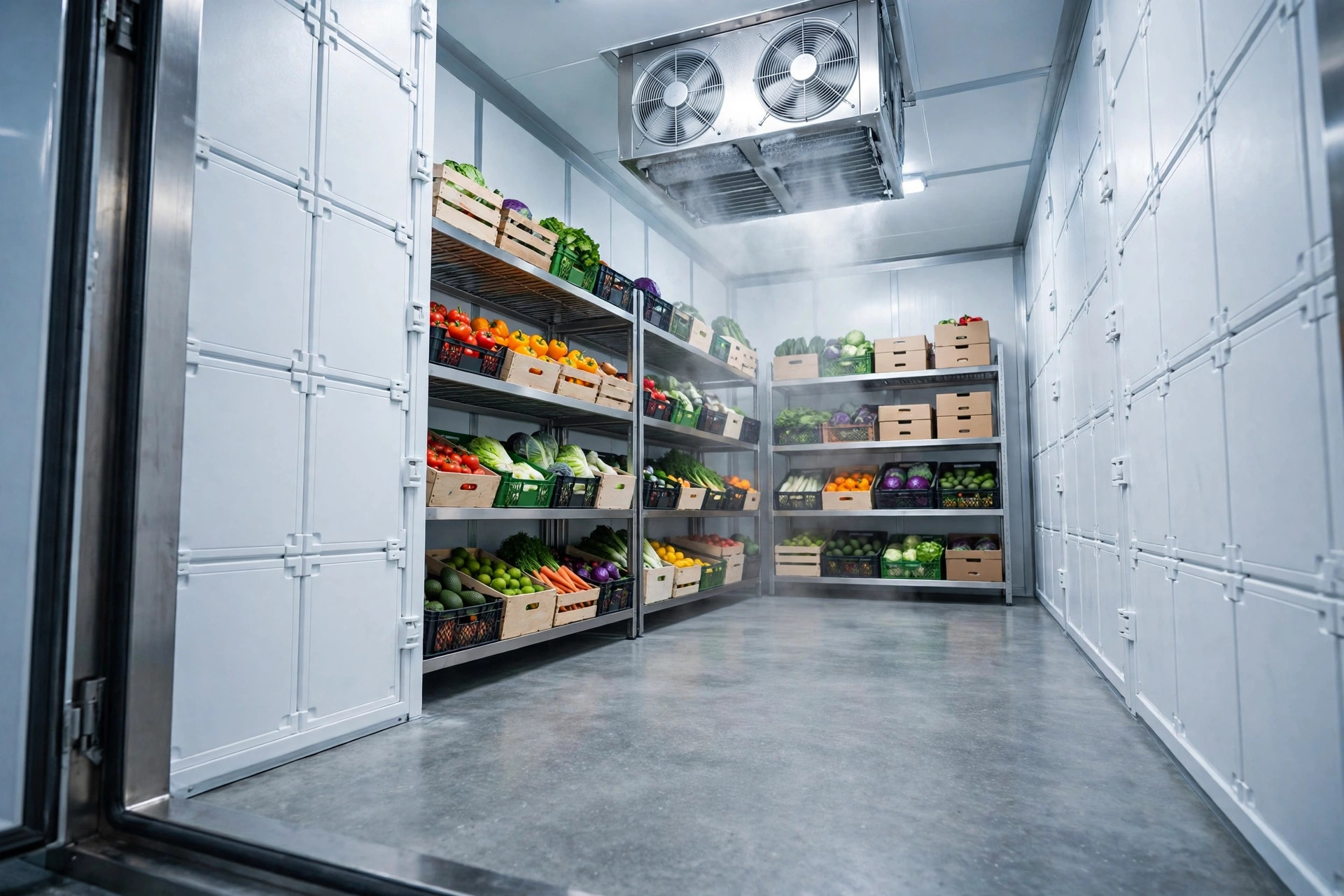
A cooler that stops holding temperature with a full room inside is the emergency every food business dreads. Before you do anything else: verify the real temperature with a standalone thermometer (the wall display can lie), and remember the Ontario line — hazardous food must stay at 4°C or colder. If product has been sitting above that, food safety comes before equipment troubleshooting.
The seven safe checks
- 1. Power and breaker: confirm the unit has power and no breaker has tripped. Start with the embarrassingly simple.
- 2. Controller setting: check the thermostat/controller setpoint hasn't been bumped or changed. It happens more than anyone admits.
- 3. The door: does it close fully and latch on its own? A door propped by a case or a worn closer leaks cold air all day.
- 4. The gasket dollar-bill test: close the door on a bill at several points. If it pulls out easily, the seal is failed — the single most common door problem we see.
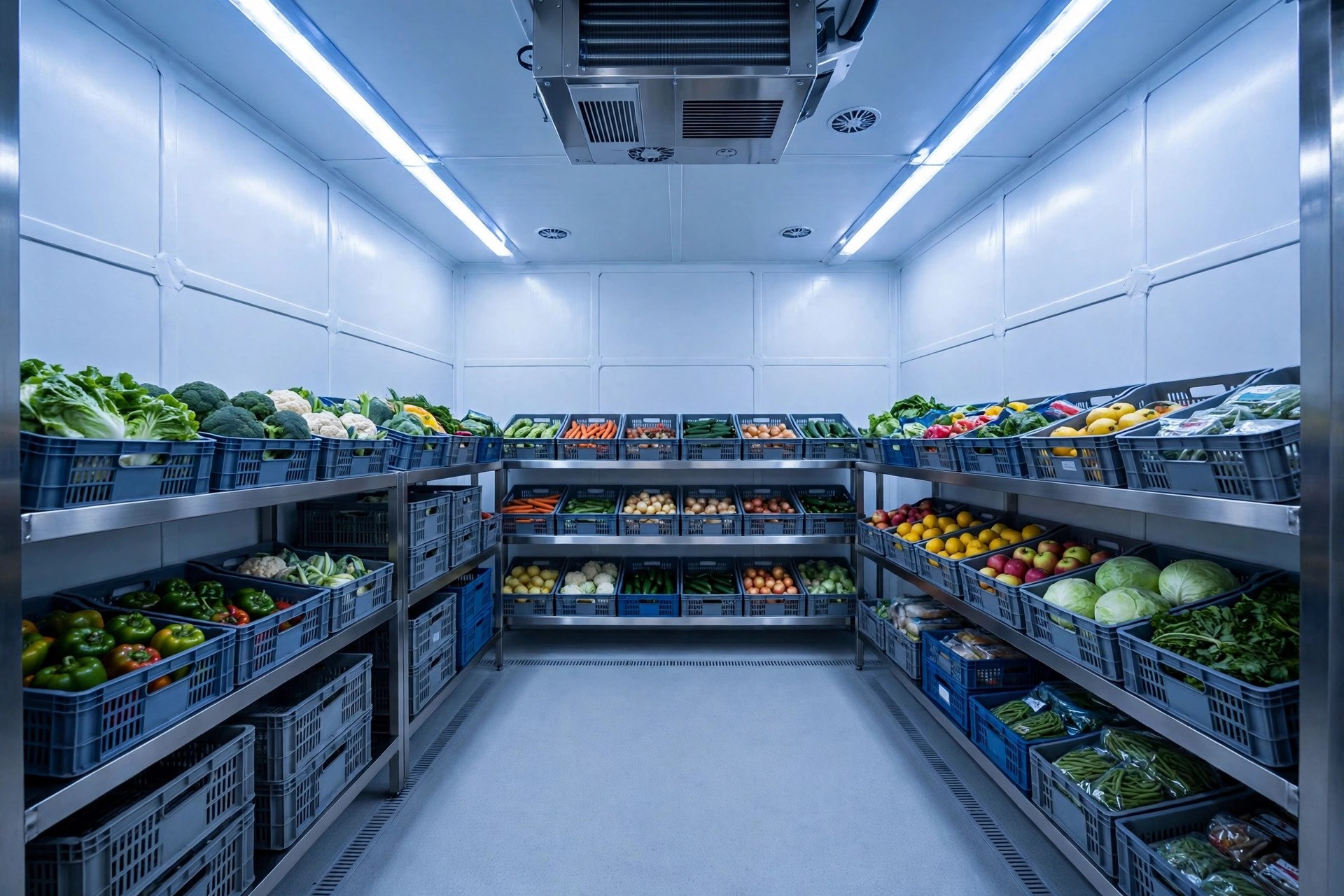
- 5. Airflow: product stacked against the evaporator coil or blocking the fans starves the room of cold air. Clear the coil's breathing space.
- 6. Ice on the evaporator: a coil matted with ice can't absorb heat. Causes range from door leaks to a defrost issue — note it for the technician rather than chipping at it.
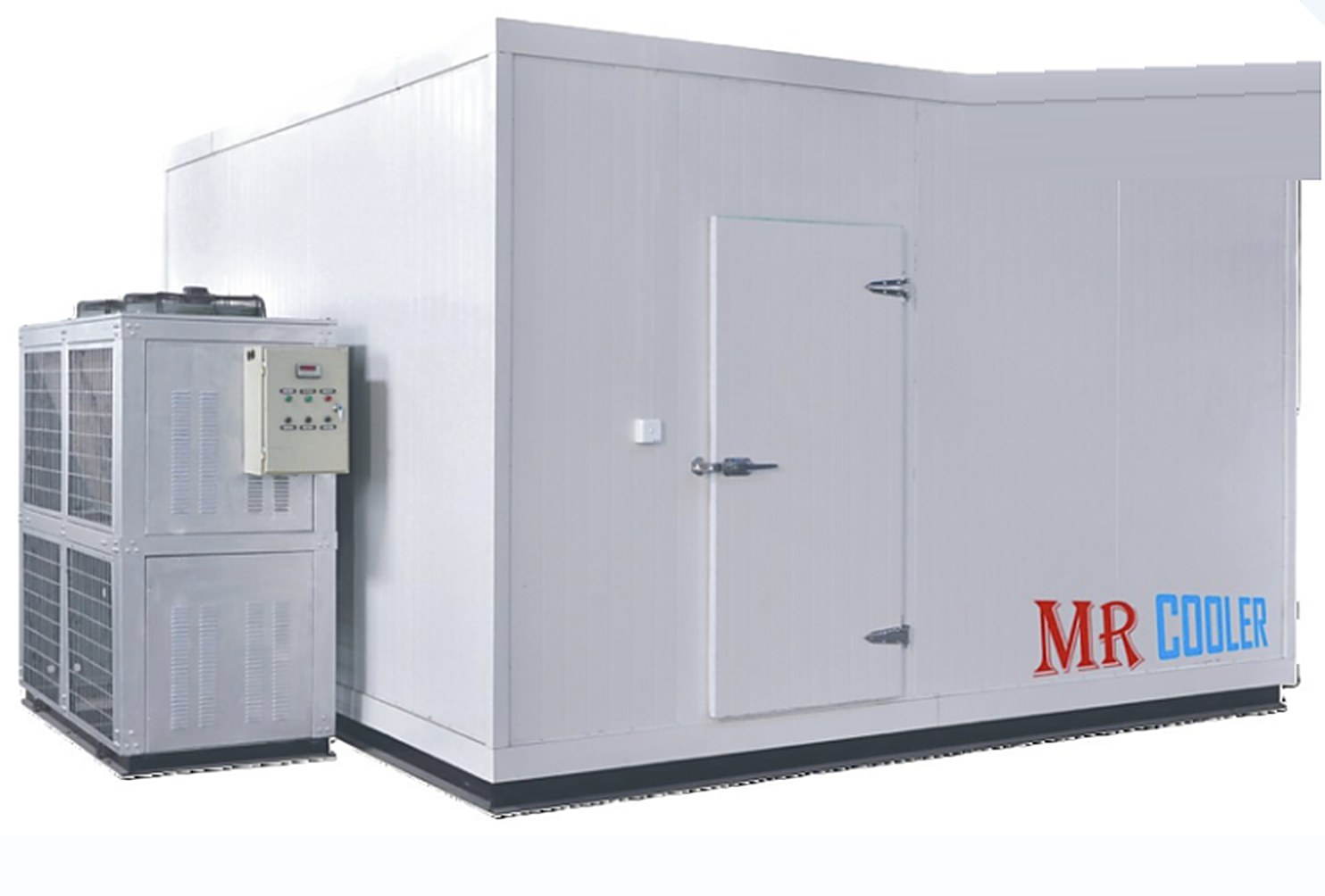
- 7. The condenser coil: on the condensing unit, a coil matted with kitchen grease and dust can't dump heat. If it is accessible and the power is off, a gentle brush or vacuum is owner-safe; anything deeper is not.
What not to touch
In Ontario, refrigerant handling and refrigeration system work belong to licensed technicians (313A), and electrical beyond resetting a breaker belongs to an electrician. Do not add refrigerant, bypass controls, or open electrical panels. A good service call gets cheaper when you can report: the actual product temperature, when it started climbing, and which of the seven checks you found something on.
The checklist that prevents the call
- Daily: temperatures logged twice a day (this is also your health-inspection evidence); door closing and sealing properly.
- Weekly: gasket wipe-down, check for ice patterns starting, product clear of the coil.
- Monthly: condenser coil visual check; door hardware and hinges; drain line clear.
- Twice a year: a professional service — coils cleaned properly, seals and hardware inspected, controls and temperatures verified. It is the cheapest insurance against a Friday-night failure with a full room.
Most “sudden” cooler failures are slow failures that got noticed suddenly: a gasket that stopped sealing in August, a coil that loaded up over a summer. The twice-daily log that Ontario expects anyway is also your early-warning system — a degree a week trend is a service call you can schedule, instead of an emergency you can't.
Still climbing? Talk to our service team
51 Cooler services what we build — and account customers reach us on a 24/7 line. Tell us the model, the temperature trend and what you found in the checks above.