Walk-In Cooler Cost in Ontario: What GTA Businesses Actually Pay
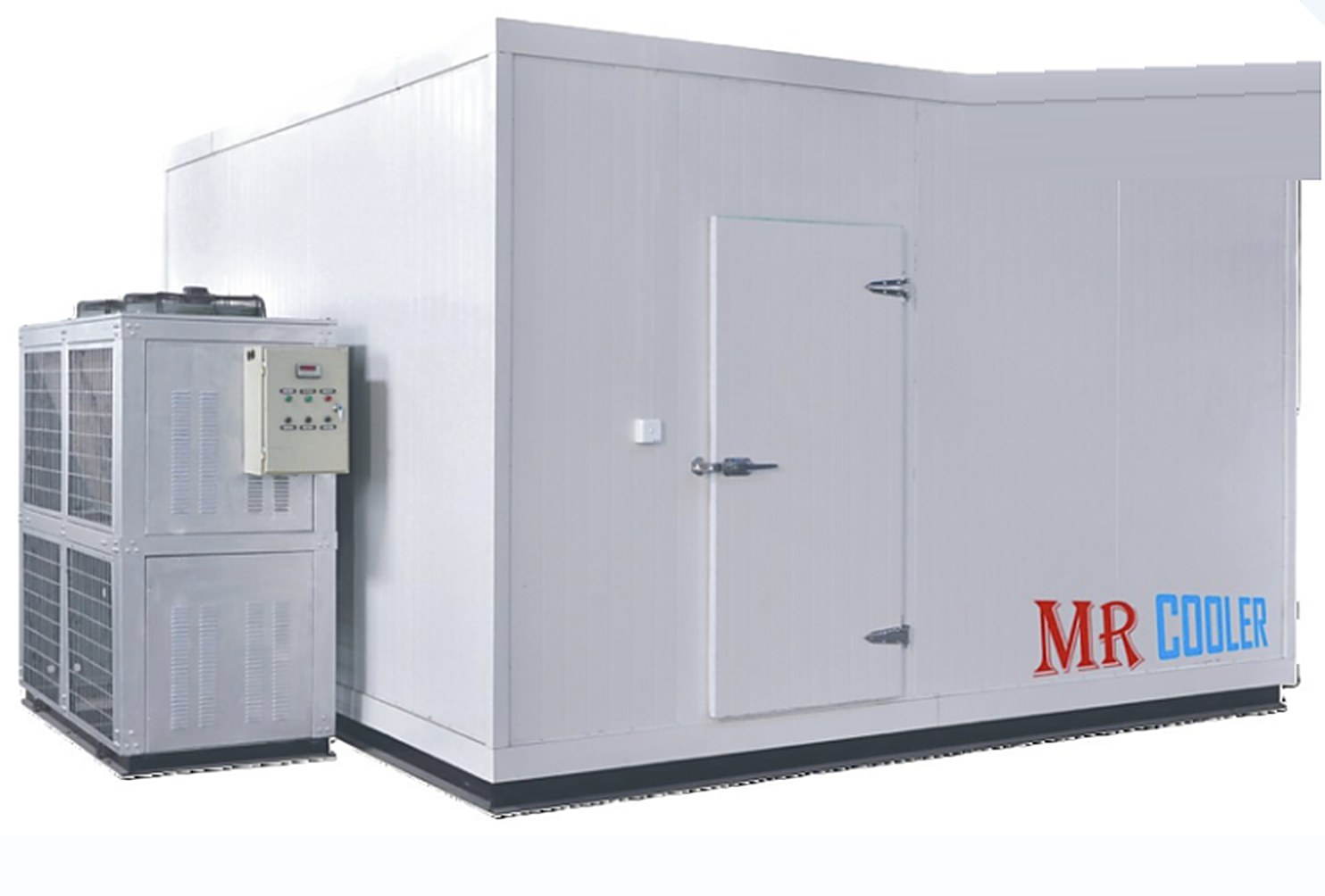
It is the first question almost every restaurant, butcher and grocery owner asks us, and the hardest to answer with one number: what does a walk-in cooler cost? The ranges below reflect published Ontario market pricing in 2026. Every cold room we build is quoted individually after a site measure, but these figures will help you plan a realistic budget before you talk to anyone.
What the box itself costs, by size
Ontario suppliers publish supply-only prices for standard panel boxes (panels and door, before refrigeration and installation). Recent published examples run from roughly $5,100 for a 6×6 ft cooler box to about $7,900 for a 10×10. Freezers cost more at every size — typically 25–40% more than the same footprint in a cooler — because they need thicker panels, an insulated floor, a heated door frame and a defrost system.
| Footprint | Typical fit | Supply-only box (cooler) |
|---|---|---|
| 6×6 ft | Café, small prep kitchen | ≈ $5,100 |
| 8×8 ft | Bakery, small grocery | ≈ $6,300 |
| 8×10 ft | Full-service restaurant (most common) | ≈ $7,100 |
| 10×10 ft | Butcher, mid-size grocery | ≈ $7,900 |
| 10×12 ft and up | Grocery, food processing, warehouse | Quoted per drawing |
Those are box prices. A working cold room also needs a refrigeration system sized to your load, electrical work, and installation — which is why installed projects land well above the box price, and why a used room advertised at $7,000–$14,000 installed is not automatically a bargain once condition, warranty and remaining compressor life are priced in.
The seven factors that move the price
- Size and height: panel area is the base cost, and taller rooms need more of it.
- Cooler vs. freezer vs. combination: freezers carry the 25–40% premium described above; a combo room prices between the two.
- Refrigeration type: self-contained units cost less up front; remote condensing units cost more but keep heat and noise out of your kitchen.
- Indoor vs. outdoor: outdoor rooms need weather roofing, sealed seams and often a concrete pad.
- Panel finish and floor: stainless or textured finishes, and an insulated floor on a freezer, add real money.
- The door: a standard swing door is cheapest; glass display doors and sliders cost more.
- Custom vs. stock size: a room cut to your exact footprint uses your space fully — no filler gaps — and the drawing is done before anything is built.
The Ontario line items quotes hide
Comparing quotes? Ask whether these are in or out. In Ontario they are the usual surprise costs: the ESA electrical inspection/notification, any municipal building permit your scope triggers, the 313A-licensed refrigeration labour, upgraded panels if your health or fire review requires them, and disposal of the old unit. A lower quote that excludes installation, electrical or disposal is not actually lower.
Running costs: the second price tag
A walk-in cooler keeps spending money every month it runs. Published Ontario estimates put an 8×10 cooler at roughly $120 per month in electricity; a freezer the same size can run close to three times that. Panel thickness, door seals and where the condensing unit sits decide which end of the range you land on — one reason we manufacture our own insulated panels: the core is where the hydro bill is won or lost.
How our quoting works
We keep it simple: tell us the space you have, what you will store and where the site is. We measure, draw the room to scale, and quote it as one package — equipment, delivery and installation included, itemized so you can see exactly what you are paying for and adjust the scope before anything is built. No pressure, and no shelf price pretending to fit your room.
Want a real number for your space?
Every 51 Cooler quote is free and itemized — scaled drawing, equipment, delivery and installation as one package, so the number you approve is the number you pay.
More from the 51 Cooler Blog
What Size Walk-In Cooler Do You Need? A Sizing Guide for Restaurants, Butchers and Grocery Stores
Read article →
Walk-In Cooler Installation in Toronto & the GTA: Permits, ESA Inspections and How Long It Takes
Read article →