Ontario Food Storage Temperatures: The 4°C and −18°C Rules Your Health Inspector Checks
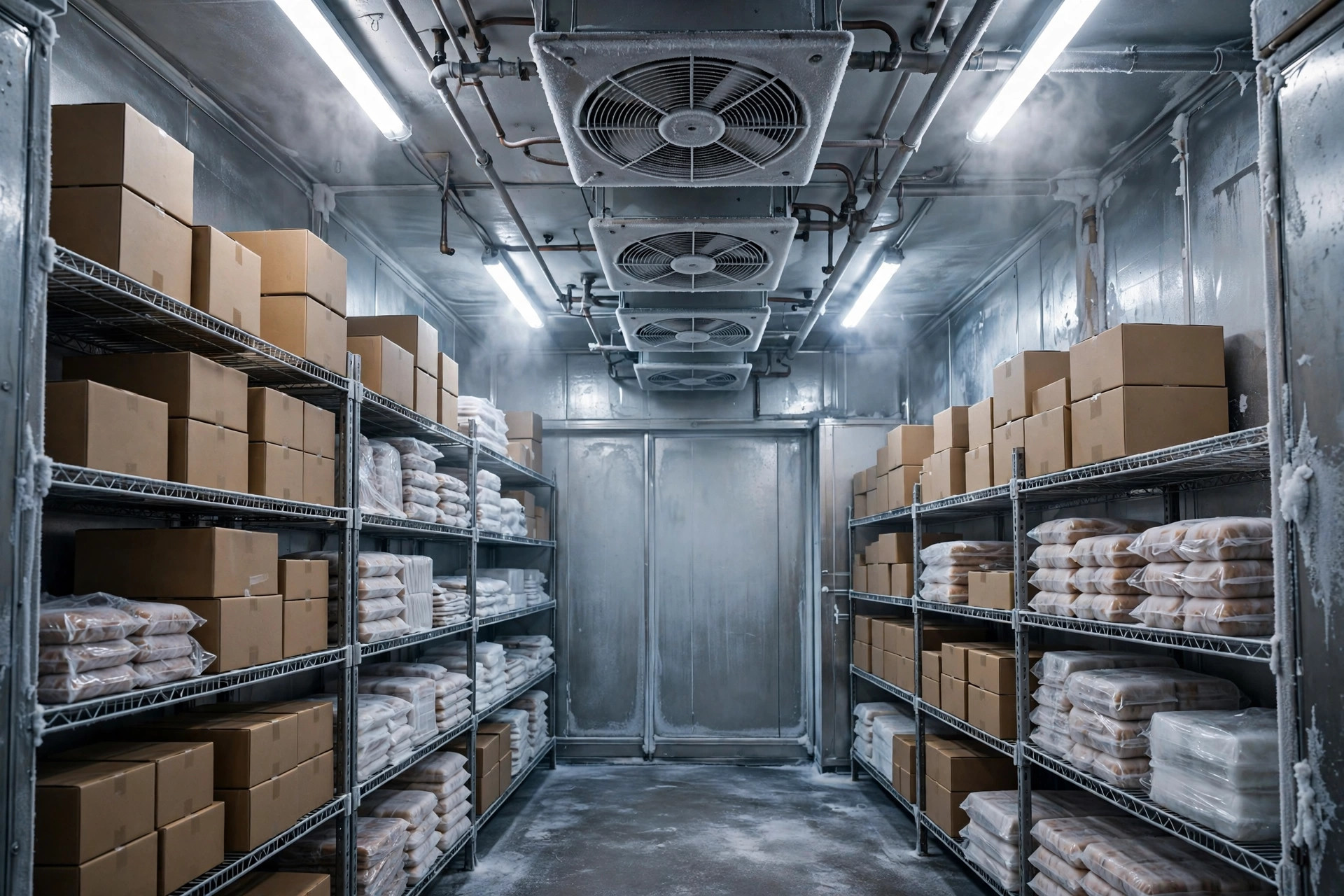
Every public health inspection in Ontario comes back to two numbers. Under the province's food premises regulation (O. Reg. 493/17), potentially hazardous food must be stored cold at 4°C or colder, and frozen food at −18°C or colder. Between 4°C and 60°C is the “danger zone” where bacteria multiply quickly — food is not supposed to live there.
| Storage | Legal line (O. Reg. 493/17) | Practical setpoint |
|---|---|---|
| Walk-in cooler | 4°C or colder | Set 2–3°C so door openings don't push you over |
| Walk-in freezer | −18°C or colder | Set −18°C to −21°C |
| Hot holding | 60°C or hotter | — |
| Danger zone | 4°C to 60°C — minimize time here | — |
Why the setpoint is not the legal line
Set a cooler to exactly 4°C and the first busy lunch service — door opening every minute, warm product going in — pushes the air temperature over the line. Inspectors measure food temperature, and the defence is margin: run the box at 2–3°C so normal use keeps product at or under 4°C. Freezers get the same logic in the other direction. If your cooler can only hold 4°C on a quiet morning, it is undersized, under-insulated or due for service — it will fail you on a Friday night.
The habits inspectors look for
- Temperature logs: check and record cooler and freezer temperatures at least twice daily. A logbook by the door is the simplest evidence of control.
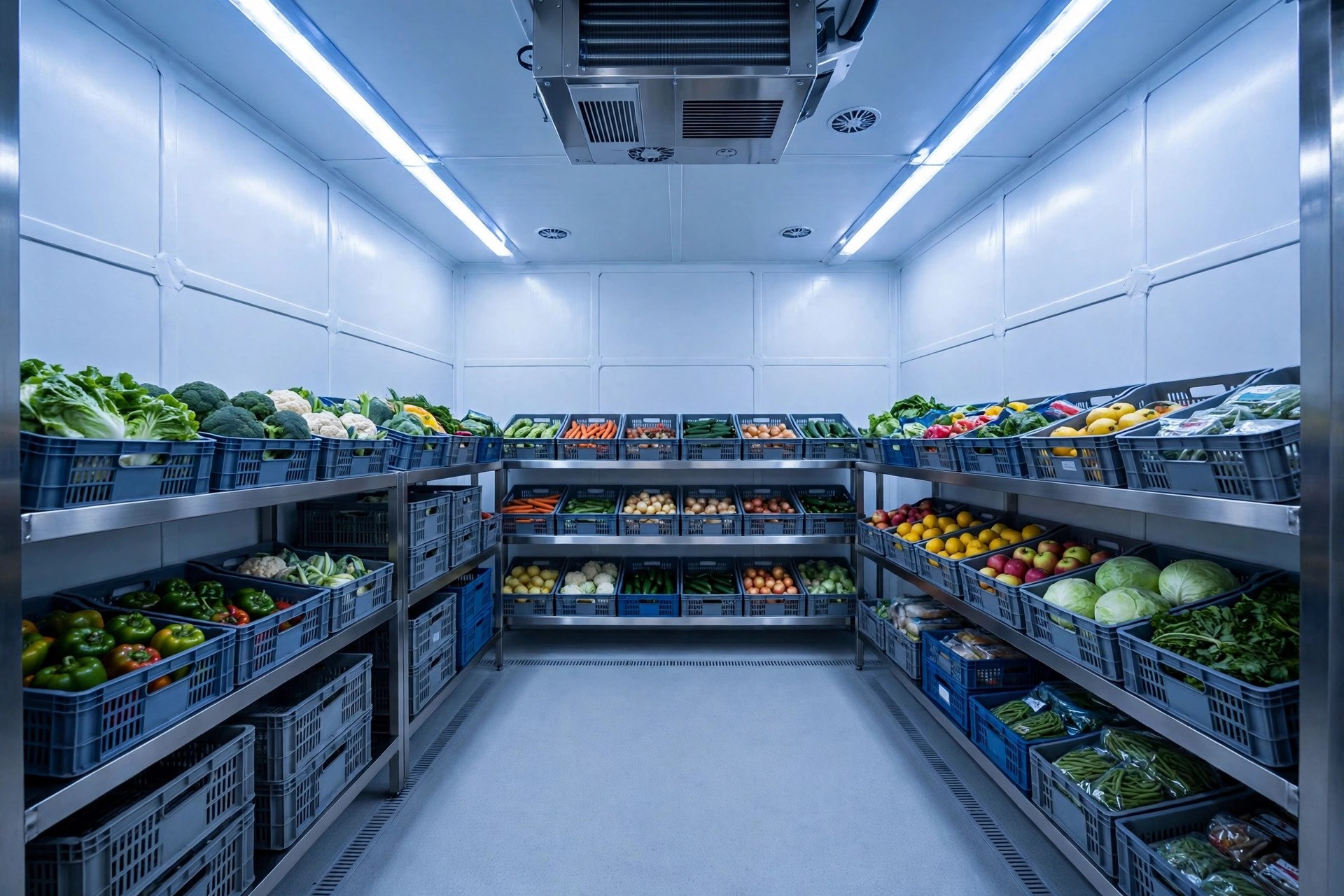
- Food off the floor: storage must be at least 15 cm (6 inches) above the floor — shelving, not floor stacks.
- FIFO rotation: first in, first out, with dates — old product at the front.
- Airflow space: product jammed against the evaporator coil creates warm spots the thermometer on the wall won't show.
- Door discipline: a door that doesn't latch or seal is a temperature violation waiting to happen — test the gasket with a dollar bill; if it slides out easily, the seal is done.
Cooler or freezer: which products go where
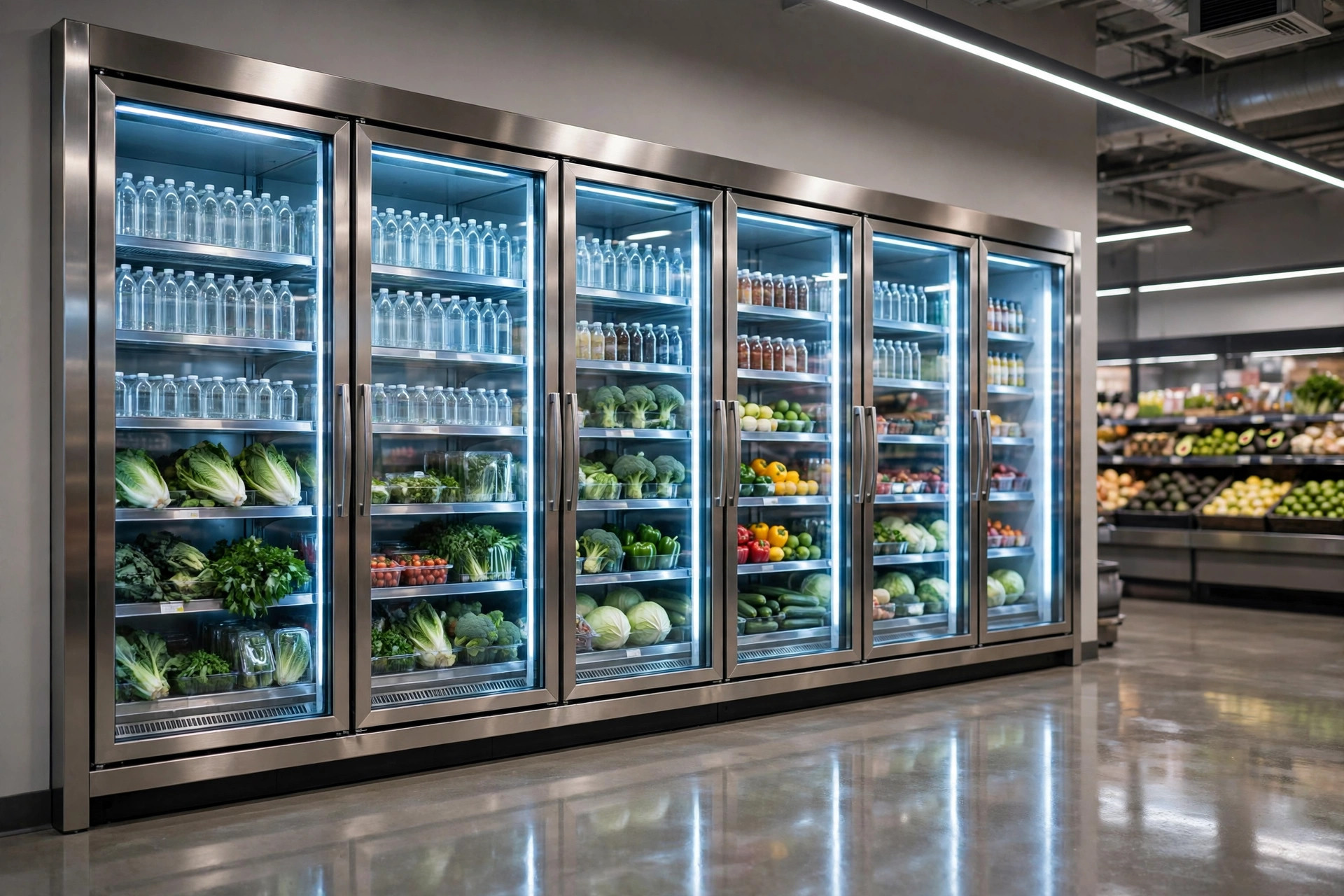
Dairy, raw meat, seafood and prepared foods live in the cooler at 0–4°C and get used in days. Anything stored for weeks goes in the freezer at −18°C or colder. The expensive mistake is using cooler space as overflow freezer storage (it will never reach −18°C and will overwork the system) or keeping short-life product in the freezer “to be safe” and ruining its texture. If you are constantly overflowing one into the other, the room sizes — not the staff — are the problem, and a combination room is usually the fix.
Equipment that holds temperature is the whole game
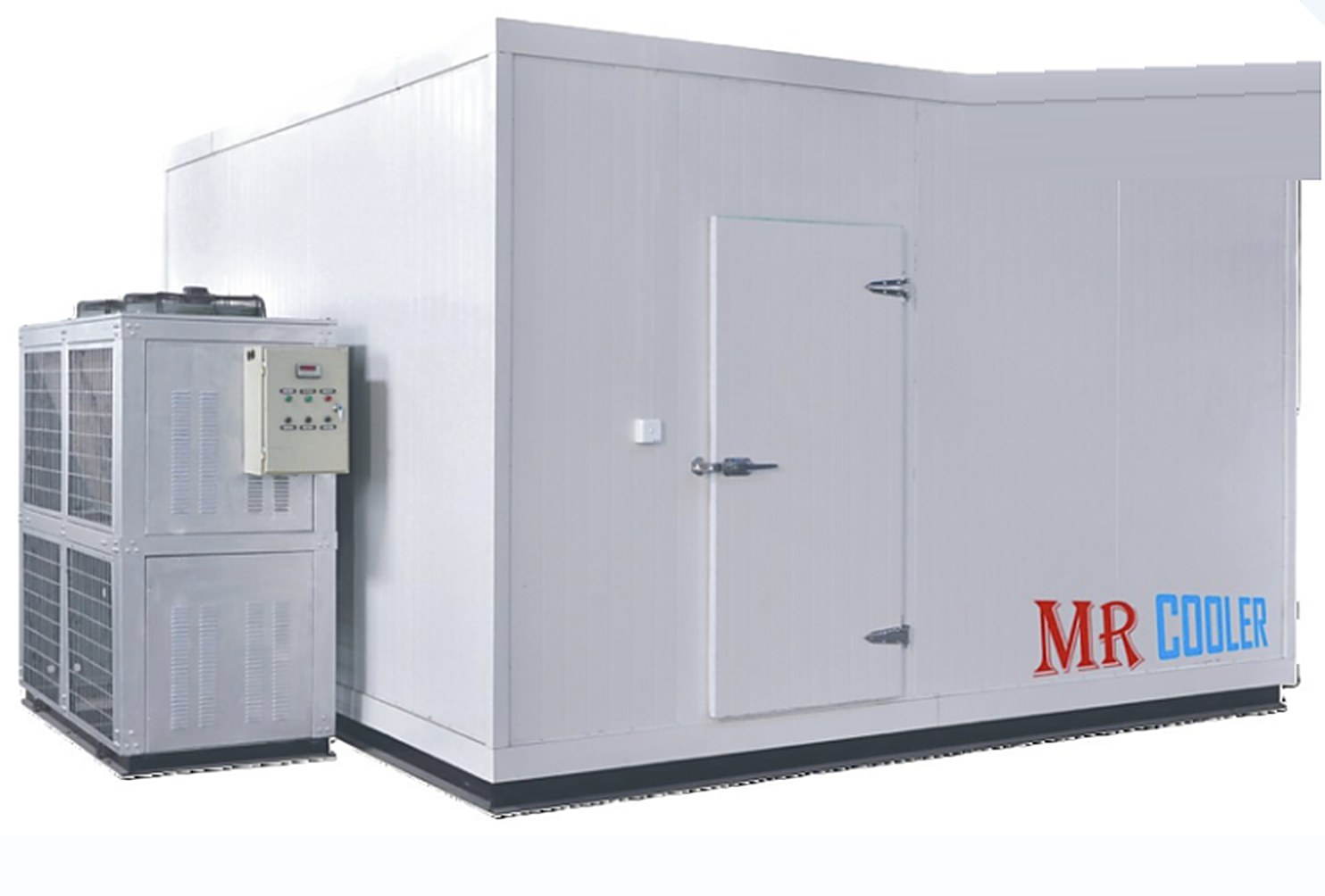
A cooler that drifts is a compliance problem, not just a repair bill. Our rooms are built around panels and refrigeration sized to hold setpoint through your busiest service — ask us about your load.