Cam-Lock Panels Explained: How Insulated Cold Room Panels Work — and Why the Core Matters
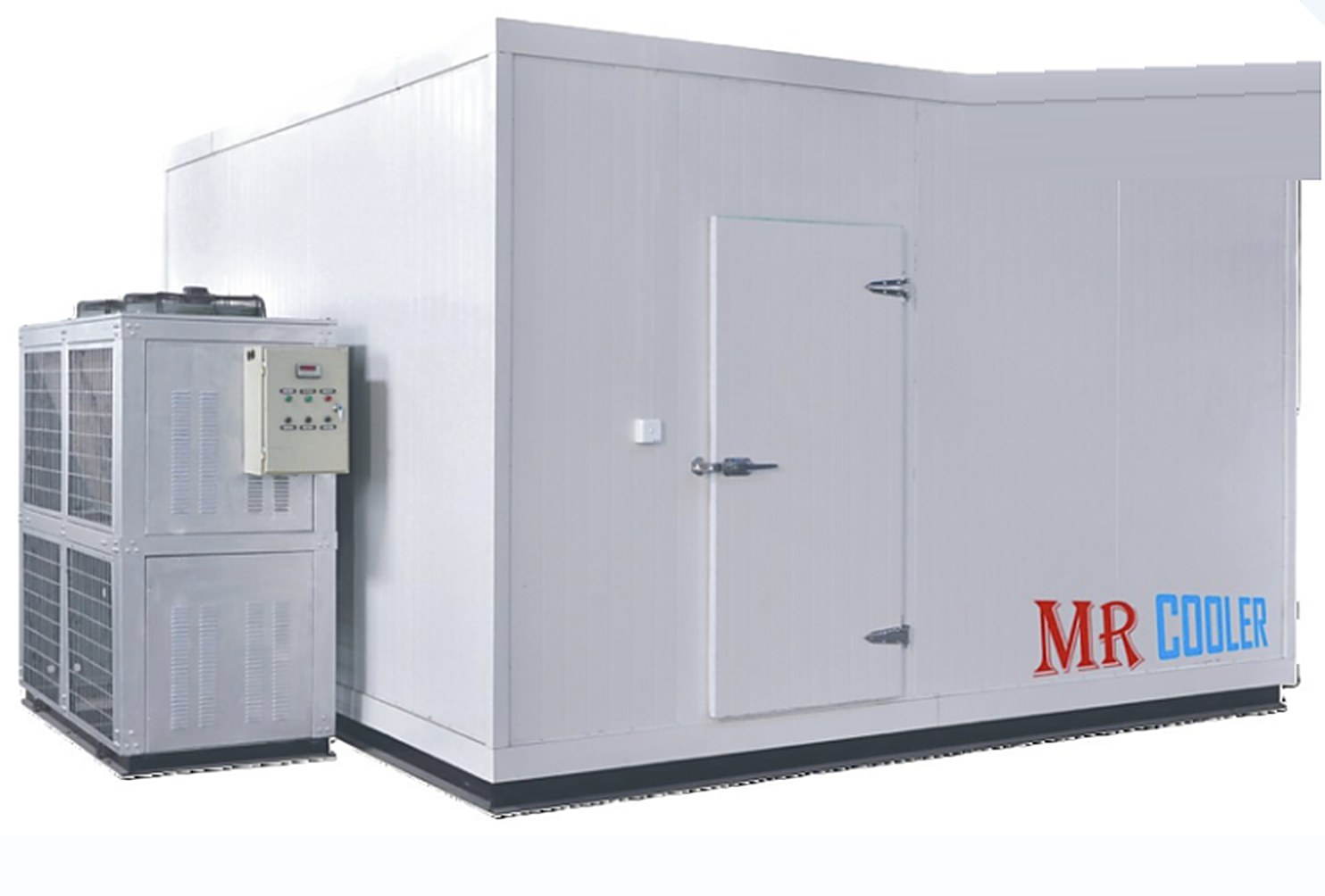
A walk-in cooler is, structurally, a box made of insulated panels. The refrigeration unit gets the attention, but the panels decide how hard that unit has to work — every hour, for the life of the room. Here is how a cam-lock panel is built, and what to look for in the specification.
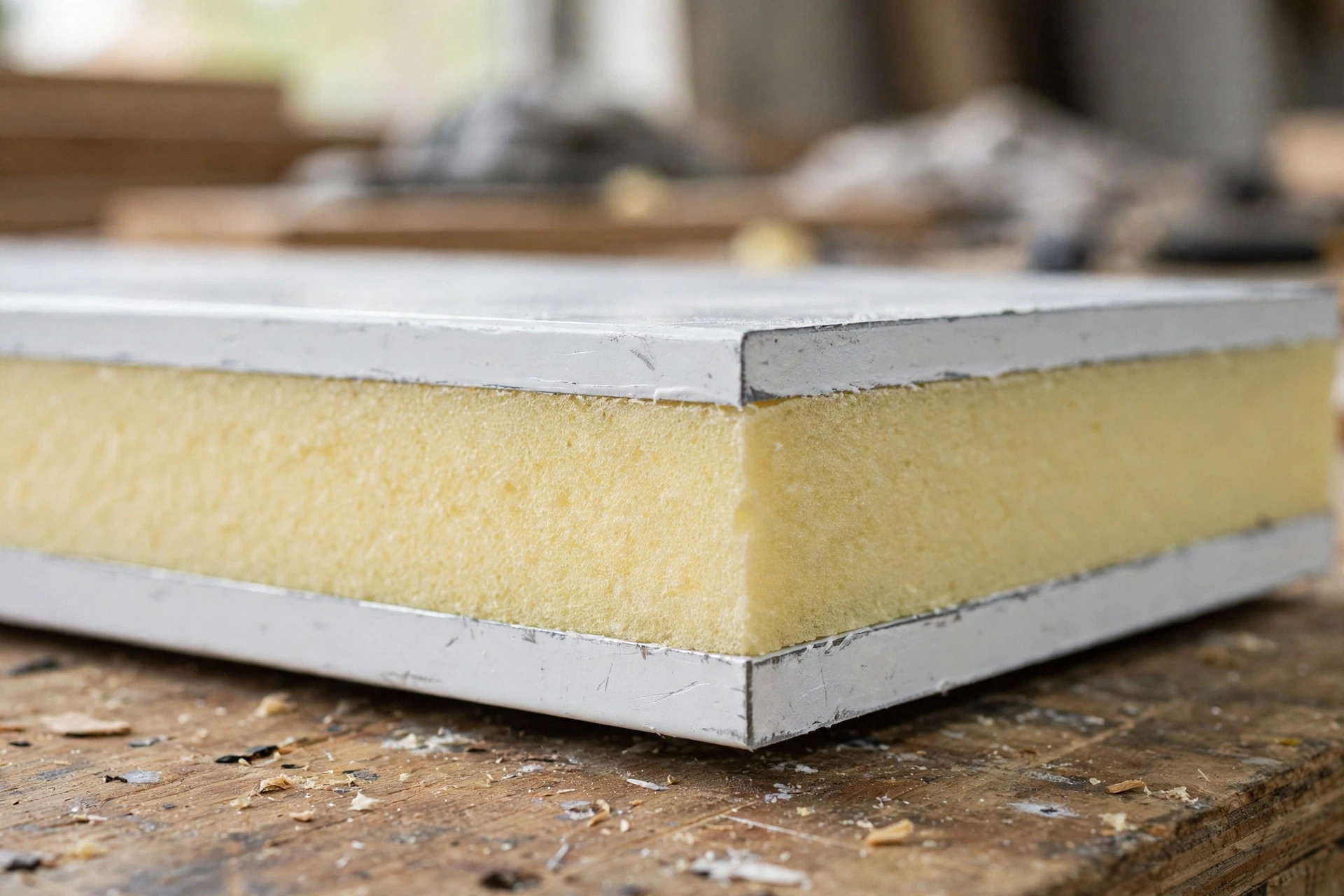
Anatomy of a cam-lock panel
- Two metal skins (typically galvanized or finished steel) form the faces — the cleanable surfaces your health inspector sees.
- Between them, a rigid foam core is injected and cured under pressure, bonding to both skins. That core is the insulation — and the structure.
- Edges are profiled tongue-and-groove, with eccentric cam locks embedded in the foam. On site, a hex key turns each lock and pulls the joint tight — no frame, no through-metal fasteners.
- Because the locks and joints sit inside the insulation, there is no metal path conducting heat through the wall. That is the entire point of the design.
Thickness and R-value: the numbers that set your hydro bill
| Panel | Typical use | Insulation value |
|---|---|---|
| 4 inch | Coolers (0–4°C) | ≈ R-27 to R-32 |
| 5 inch | Freezers (−18°C and below) | ≈ R-34 to R-40 |
| 6 inch | Deep-freeze / blast applications | Higher still, quoted per project |
Every point of R-value is heat that never reaches your refrigeration system. Over a 15–20 year room life, the difference between a well-sealed 4-inch cooler panel and a thin, poorly jointed one is measured in thousands of dollars of electricity — and in whether the compressor survives the decade. Freezers get thicker panels plus an insulated floor and heated door frame, because at −18°C every leak becomes ice.
Why tight joints matter more than thick panels
Warm, moist kitchen air that reaches a cold surface condenses. In a cold room wall, condensation means wet insulation, lost R-value, mould risk and eventually ice that pries joints apart. The cam-lock joint — pulled tight along its full length, gasketed, with no thermal bridge — is what stops air migration through the wall. A thick panel with sloppy joints will sweat and fail before a thinner panel that seals properly. When you compare panel quotes, ask about the joint and the core, not just the thickness.
Why we make our own
Most installers buy finished boxes from a panel manufacturer and assemble what arrives. 51 Cooler is a certified manufacturer of SPF (spray polyurethane foam) board: we produce the insulated board ourselves, build our cam-lock panels from it, and install the finished room. That chain is why we can cut panels to odd footprints — corners, columns, low ceilings — without waiting on a factory, and why we can stand behind the core specification: we made it. It is the part of a cold room nobody photographs, and the part that decides what the room costs to run.
We manufacture our own panels — here's the full story
51 Cooler is a certified SPF board manufacturer: we produce the board, build the cam-lock panels and install the room. Read how that chain works and why it matters.